The Sacred Geometry of Displacement: Finding God in the Gaps


What if homelessness isn't just a housing crisis, but a spiritual initiation disguised as societal failure?
Each dawn breaks not with promise, but with the weight of questions that housed minds rarely carry: Where will I be safe when darkness falls? How do I preserve my humanity when the world treats me as invisible? What does it mean to seek the divine when you're living in the margins of a society that equates worth with address?
The mystics speak of the "dark night of the soul"—that necessary descent into spiritual emptiness before enlightenment. But what they rarely mention is how this darkness becomes literal when you're sleeping under bridges, how the metaphorical wilderness becomes concrete sidewalks and park benches.
Here's what I've discovered in the sacred geometry of displacement: the space between having and not having is where transformation lives.
When Every External Structure Falls Away
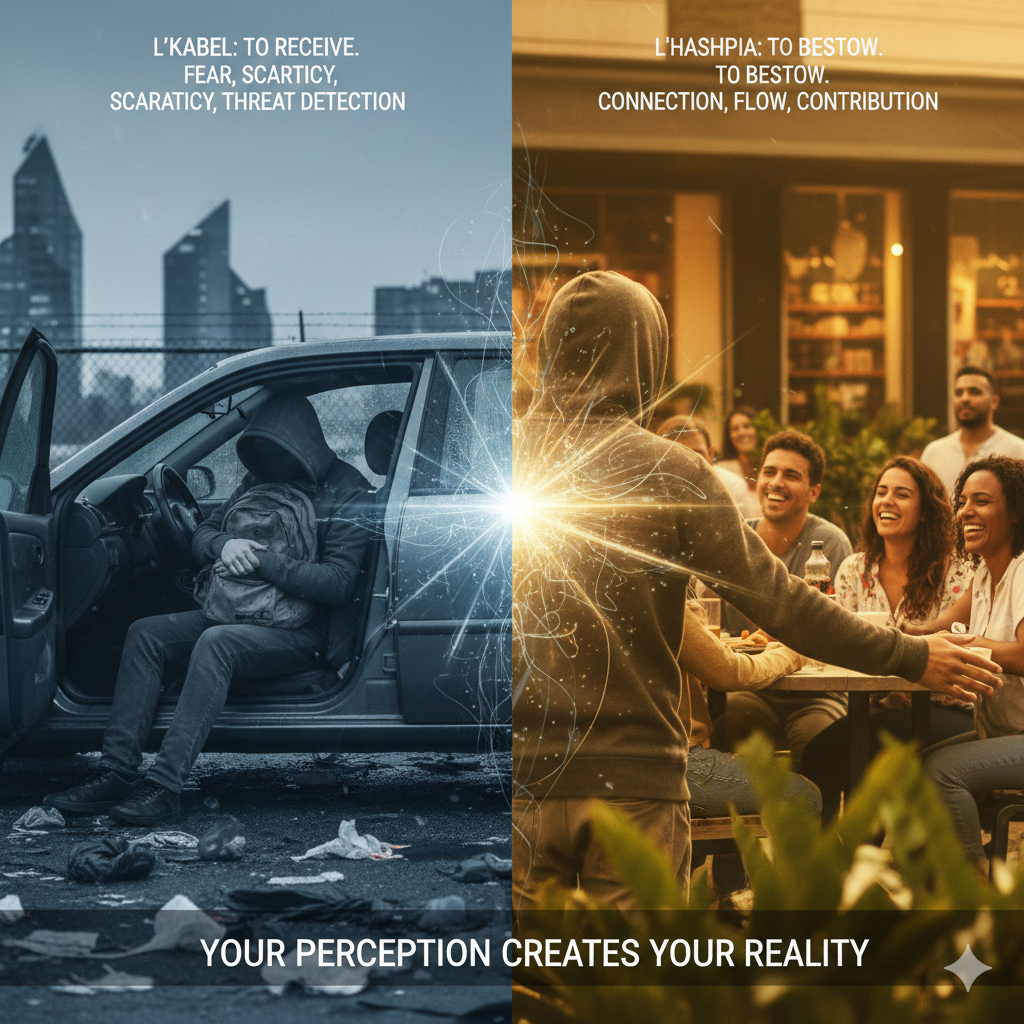
When every external structure crumbles—the apartment lease, the mailing address, the assumption of tomorrow's shelter—what remains is startlingly pure. Stripped of the illusions that comfort provides, you're left face-to-face with the raw essence of existence. The ego's elaborate constructions dissolve, revealing something both terrifying and liberating: you are not your circumstances.
This isn't spiritual bypassing or toxic positivity. The hunger is real. The cold penetrates bone-deep. The shame burns like acid. But within this crucible of suffering, an alchemical process begins. The false self—the one that believed security came from external validation—starts to dissolve.
In its place emerges something ancient and unshakeable: the recognition that your worth was never contingent on your zip code.
The Paradox of Invisible Abundance
Society teaches us that lack of housing equals lack of value. But what if the opposite holds truth? What if those experiencing spiritual homelessness—that sense of displacement from both physical shelter and existential belonging—are actually living closest to a fundamental reality: that attachment to material security is the greatest illusion?
Every person I've met on the streets carries stories that would shatter your assumptions about who deserves shelter and who doesn't. The veteran whose PTSD makes four walls feel like a prison. The artist whose creativity couldn't be contained by conventional living. The mystic who chose the freedom of uncertainty over the cage of conformity.
We are not broken people in need of fixing. We are mirrors reflecting back society's deepest fears about impermanence and vulnerability. We are living reminders that the American Dream's promise of security is built on quicksand.
The Revolution Begins Within
Here's the call to action that matters: stop seeing homelessness as someone else's problem to solve, and start recognizing it as humanity's invitation to evolve.
Every interaction with someone experiencing housing insecurity is a choice point. Will you look away, preserving the comfortable fiction that this could never be you? Or will you lean in, recognizing that the only thing separating housed from unhoused is a series of circumstances that could shift for anyone, at any time?
The revolution isn't just about building more shelters—though we desperately need those. It's about dismantling the spiritual poverty that allows us to believe some humans matter more than others based on their housing status.
For those working in social services, case management, and housing advocacy: you already know that the people you serve carry wisdom that bureaucratic systems cannot quantify. This work is sacred work. The dark night of the soul isn't just metaphor for your clients—it's the daily reality you witness and hold space for.
For spiritual seekers: your practice isn't complete if it doesn't extend to the most marginalized among us. Meditation cushions and retreat centers have their place, but housing justice spirituality demands engagement with the world as it actually is—not the sanitized version we prefer.
Your Move
If this perspective has shifted something in you, if you're ready to support voices that challenge the narrative around homelessness and spirituality, there are two ways to stay connected:
Subscribe to this publication to receive new explorations of sacred activism, housing justice, and the intersection of spiritual practice with survival reality. [Subscribe here →]
Support this voice directly if you want to fuel ongoing work at buymeacoffee.com/adontaimason. Every contribution helps amplify these conversations and supports someone navigating the intersection of displacement and awakening.
Because sometimes the most radical act is simply acknowledging that wisdom can emerge from the most unexpected places—including the spaces between having and not having, between housed and unhoused, between the life you planned and the one that's actually unfolding.
The question isn't whether you'll ever face uncertainty. The question is: when you do, will you remember that your worth was never tied to your address?
Atai Mason writes as The Grounded Mystic—a digital shaman exploring the intersection of ancient wisdom and contemporary survival. This work emerges from lived experience navigating housing insecurity while maintaining spiritual practice.